






By Barbara Yolles Ludwig
Economic cycles have a way of exposing the true character of organizations. When times are good, almost every company can grow. When consumers are under pressure, the strongest brands reveal who they really are. Today, we are entering what I call The Affordability Economy.
While inflation has cooled from its peak, affordability remains one of the defining issues facing families. Housing. Transportation. Healthcare. Energy. Gas. Food. Everyday purchases. According to the Federal Reserve, 40% of Americans say they couldn’t cover a $400 emergency expense from savings. Consumers are making harder choices and asking tougher questions.
This isn’t simply an economic challenge. It’s a branding challenge.
The companies that will win in the years ahead won’t necessarily be the ones with the lowest prices — that’s a race to the lowest common denominator. It will be the organizations that help people move forward despite financial pressure. Those companies who can earn trust by demonstrating empathy, removing barriers, demonstrating real value…and creating possibility.
That’s where Brand Actualization begins.
At LUDWIG+, we’ve always believed the most powerful brands are built from the InsideOut. Before we think about logos, brand platforms, advertising campaigns, or websites, we ask a different question:
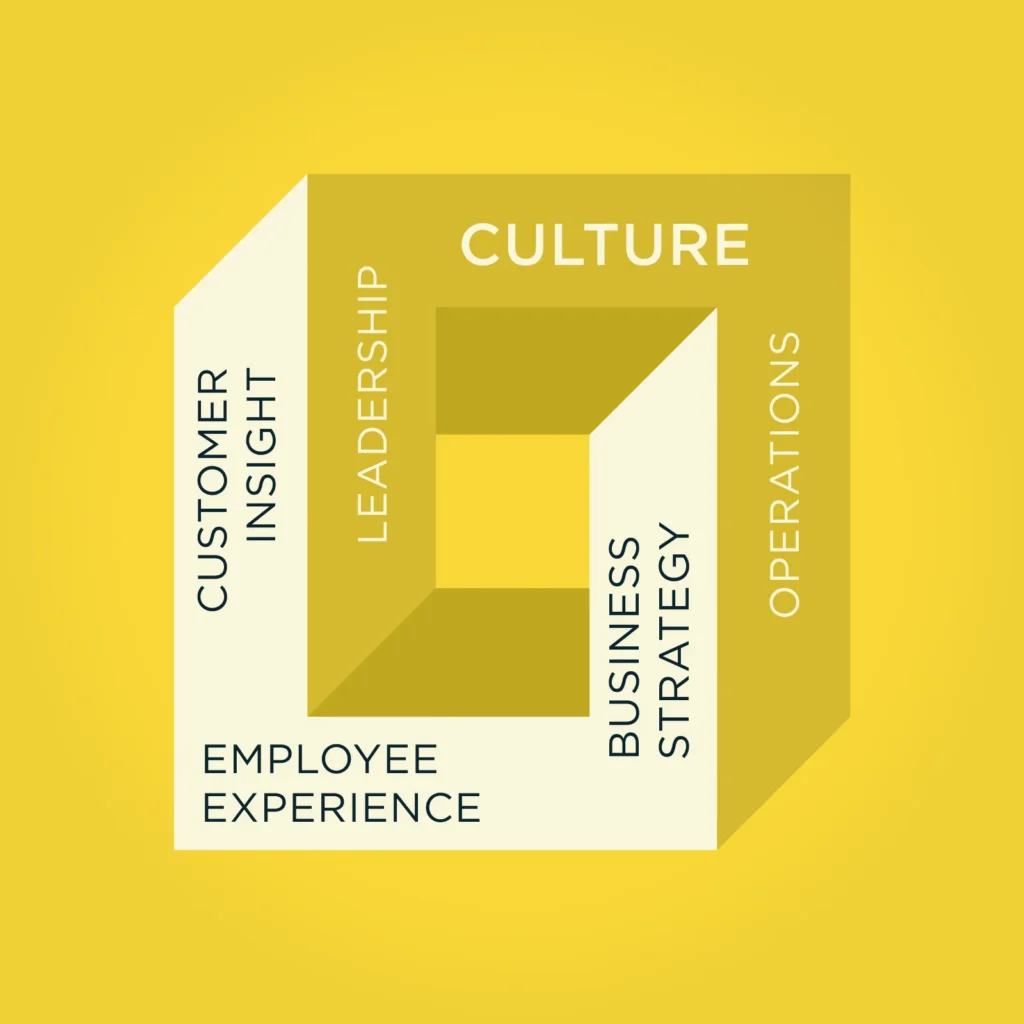
How should this organization evolve to become more valuable to the people it serves?
The answers don’t come from marketing. They come from leadership, operations, product development, customer insight, employee experience, business strategy, and, more often than not, culture.
We’ve seen this firsthand across very different industries:
Looking Beyond a Credit Score
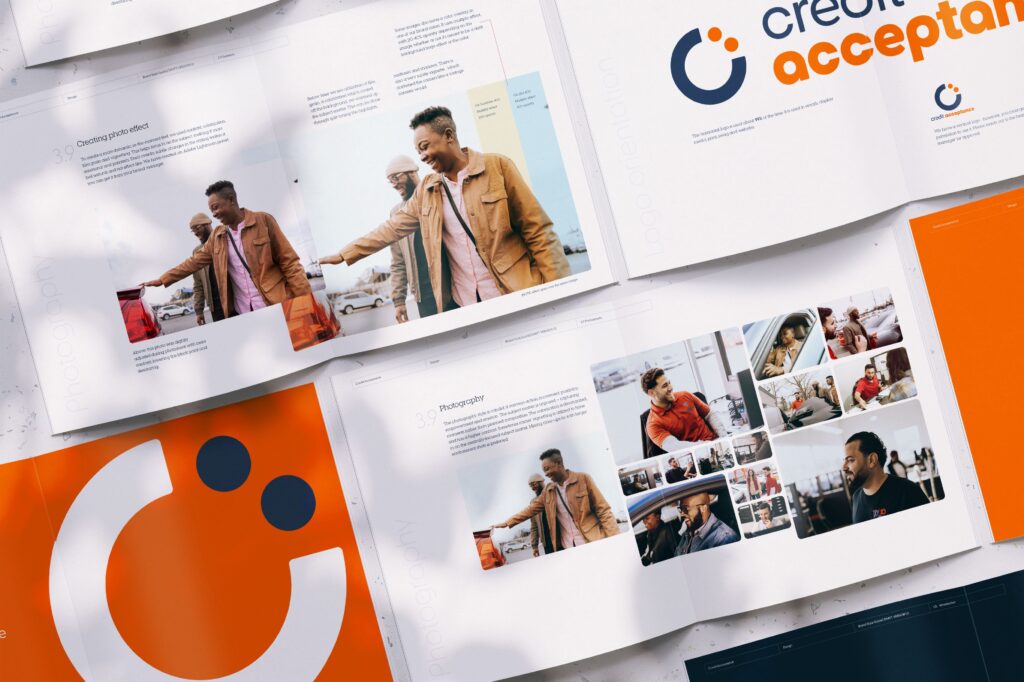
Credit Acceptance doesn’t define people by their FICO score. Its business exists to help dealers finance customers who may not fit conventional lending models. Behind every application is a person trying to get to work, care for a family, or build a better future.
That’s not simply a lending model. It’s a philosophy built around Driving Possibility.
When a company chooses to see the individual instead of the credit score, it creates something more valuable than financing. It creates hope.
Making Hearing Health Accessible to All
For decades, hearing aids were treated like medical devices people reluctantly purchased after years of delay…due to the cost of the technology and the stigma tied to it. Audien challenged that thinking by leading the way with the first over-the-counter hearing aids.
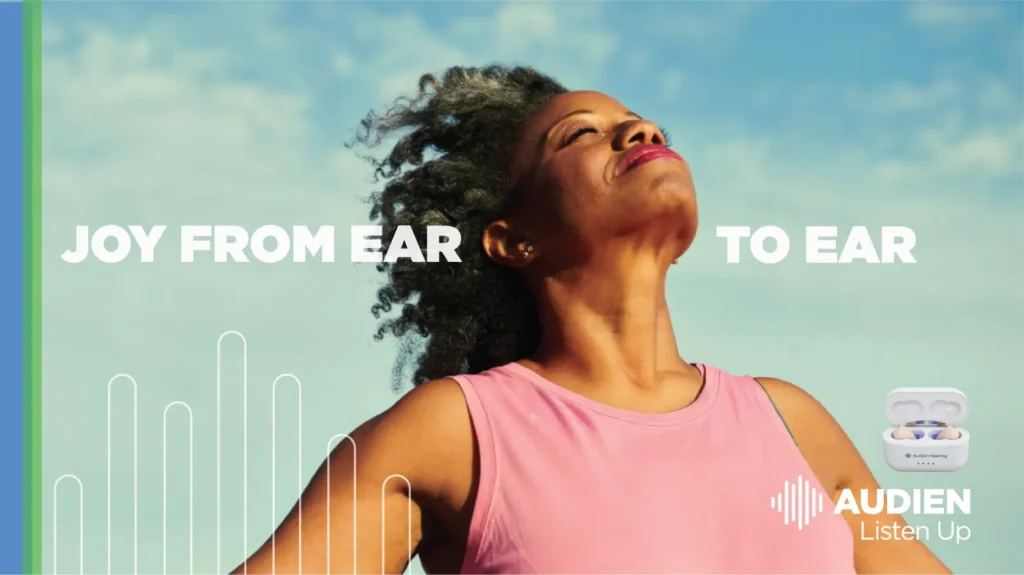
Affordability matters, quality of product matters, but so does removing the stigma around hearing aids. Hearing isn’t just a medical device. It’s confidence. Connection. Relationships. Participation. Quality of life. Helping people Listen Up isn’t about selling hearing aids. It’s about making hearing health accessible, desirable, and part of everyday living. That’s how a category evolves.
Earning Trust Before the Bill Arrives
Utilities face one of the toughest branding challenges imaginable. Customers rarely celebrate their monthly bill. What they do appreciate is knowing their utility is working every day to keep costs as manageable as possible.
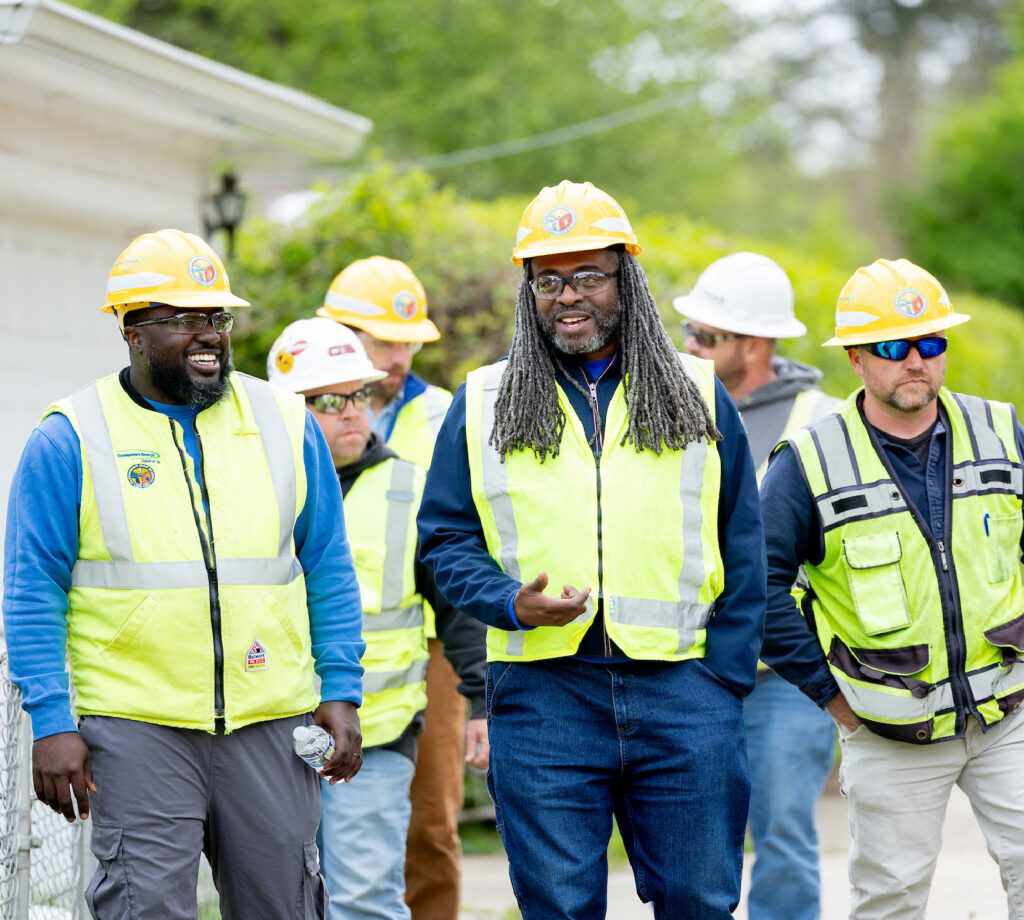
Consumers Energy demonstrates that commitment through long-term investments: purchasing and storing natural gas in the summer before winter demand drives prices higher, modernizing the electric grid to improve efficiency and reliability, and making thoughtful investments designed to protect customers over time.
Those aren’t advertising claims. They’re business decisions that communicate responsibility, stewardship, and trust.
Reimagining Automotive Affordability
The automotive industry is also confronting a new reality. Consumers still aspire to own vehicles they love, but $100,000+ pickup trucks are unattainable for many of the workers who depend on them for their livelihood, and affordability has become a deciding factor for millions of families. Automotive OEMs like Stellantis are responding by expanding more attainable product offerings without losing sight of innovation, design, and performance.
The opportunity isn’t simply to build less expensive vehicles. It’s to demonstrate that mobility remains within reach. That distinction matters.
What Brands Must Do Next
Across every one of these organizations, the pattern is remarkably similar. None of them began with the question:
“How do we market affordability?”
They began with a far more important question:
“How do we create more value for people living in today’s reality?”
Marketing’s role is not to invent that story. Marketing’s role is to reveal it.
The Affordability Economy isn’t asking organizations to discount more aggressively or communicate more loudly. It’s asking them to understand people more deeply and meet them where they are.
The brands that thrive won’t simply sell products. They’ll reduce anxiety. They’ll remove barriers. They’ll create confidence. And most importantly, they’ll help people believe tomorrow can be better than today.
Brand Actualization

At LUDWIG+, that’s what we call Brand Actualization. Because the strongest brands aren’t created in the marketing department. They’re uncovered by an organizations courageous enough to align their business with the realities and aspirations of the people they serve.
Ready to reveal your brand?